How to plan a creator's bakery visit without empty promises
Short answer
Plan a creator's bakery visit around a specific product and a customer's question. Agree filming positions, captions, who confirms information and how the video may be used. Separate what the camera shows from claims needing verification. Blogger Bank helps collect applications, arrange collaboration and settle payment for accepted content; the bakery remains responsible for product information.
Plan a creator's visit to your bakery by listing what the camera can actually show: shaping a particular baked product, work at a designated bench, the finished product and where to buy it. Alongside each shot, note the permitted description and any information that needs separate confirmation. A behind-the-scenes video is not a bakery audit, proof of a complete ingredients list or a basis for health claims.
Create a brand account on Blogger Bank and describe your bakery visit brief. Prepare the address, product, available filming areas and expected deliverables. Creators apply themselves, and their questionnaires help you choose someone suited to the assignment. The platform helps organise collaboration, contracts and secure payment; the bakery confirms product information and the conditions for access to production areas.
What should customers understand after watching?
A customer's question is a good starting point, rather than a promise to “show quality”. Are the rolls shaped on site? What does a product with an unfamiliar name look like? When can customers buy it? Choose a question you can answer through images and a verified caption. The creator's job is to turn the bakery's work into an understandable story, not to certify the business.
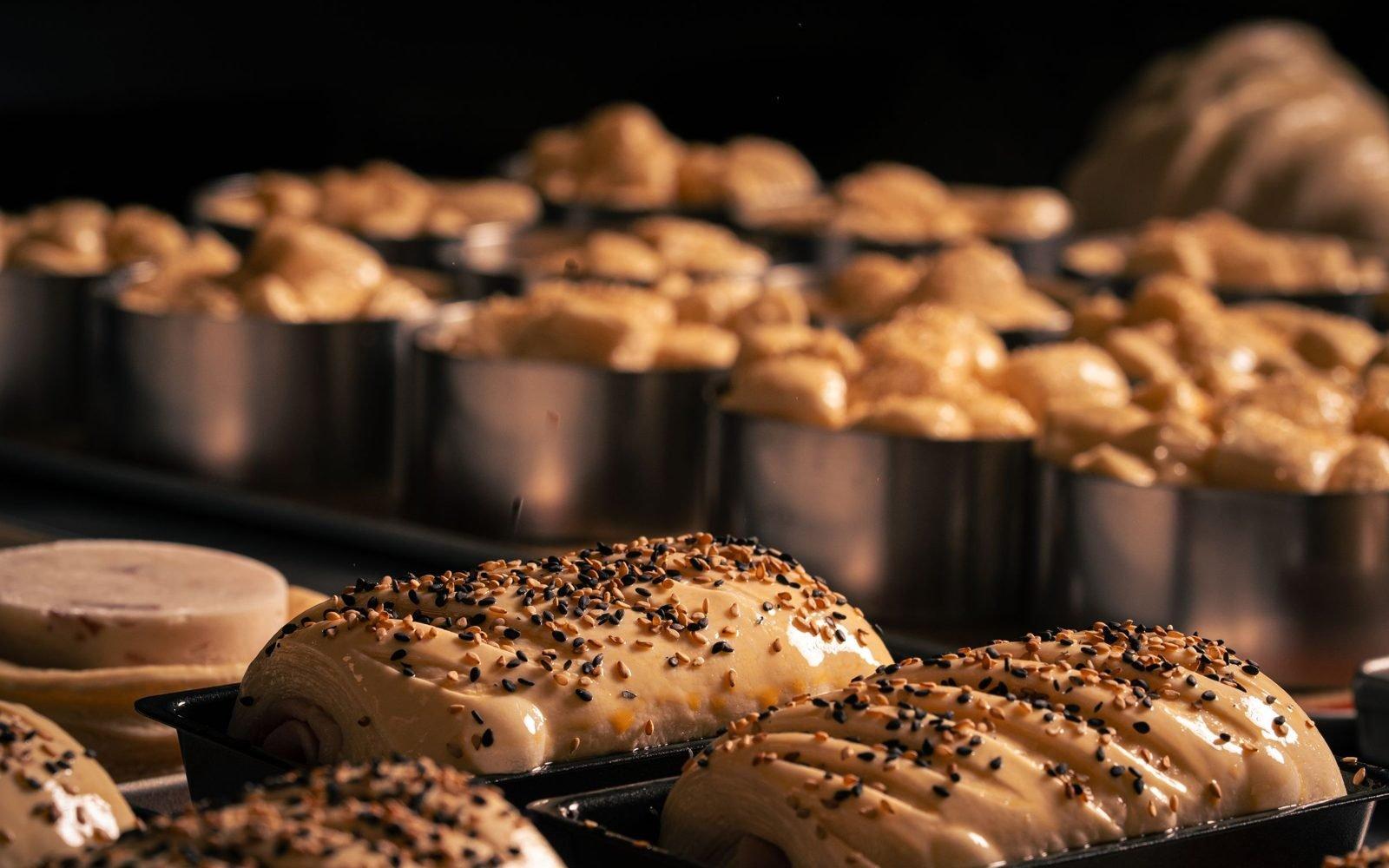
Illustrative training example, not a Blogger Bank campaign: a bakery-café in Opole invites a local female creator to show rolls being shaped, finished baked goods in the display case and information about when they go on sale. The owner wants viewers to recognise the product and know where to ask about availability. The brief does not include comparisons with other bakeries or statements about the effects of bread on health.
The creator does not need to specialise in food technology. She should be able to show the sequence of tasks, ask about an unfamiliar stage and distinguish her own impressions from information supplied by the bakery. Watch her earlier videos: does the description match what is visible, or does every scene end with an unsupported “the best”? For publication on her profile, check the available information about her audience's location. For files intended for the bakery's channels, production skills will matter more.
If you mainly need a general plan for collaboration and a promotional visit, start with our guide to restaurant marketing with creators. A bakery introduces a separate task: drawing the line between a visible production stage and a claim about the entire product.
If the bakery accepts custom cake orders, showing production alone will not explain how customers choose a design. The guide to cake shop advertising that leads to an order enquiry explains how to prepare an enquiry checklist and separate inspiration from the shop's confirmation.
What can you show, and what needs separate confirmation?
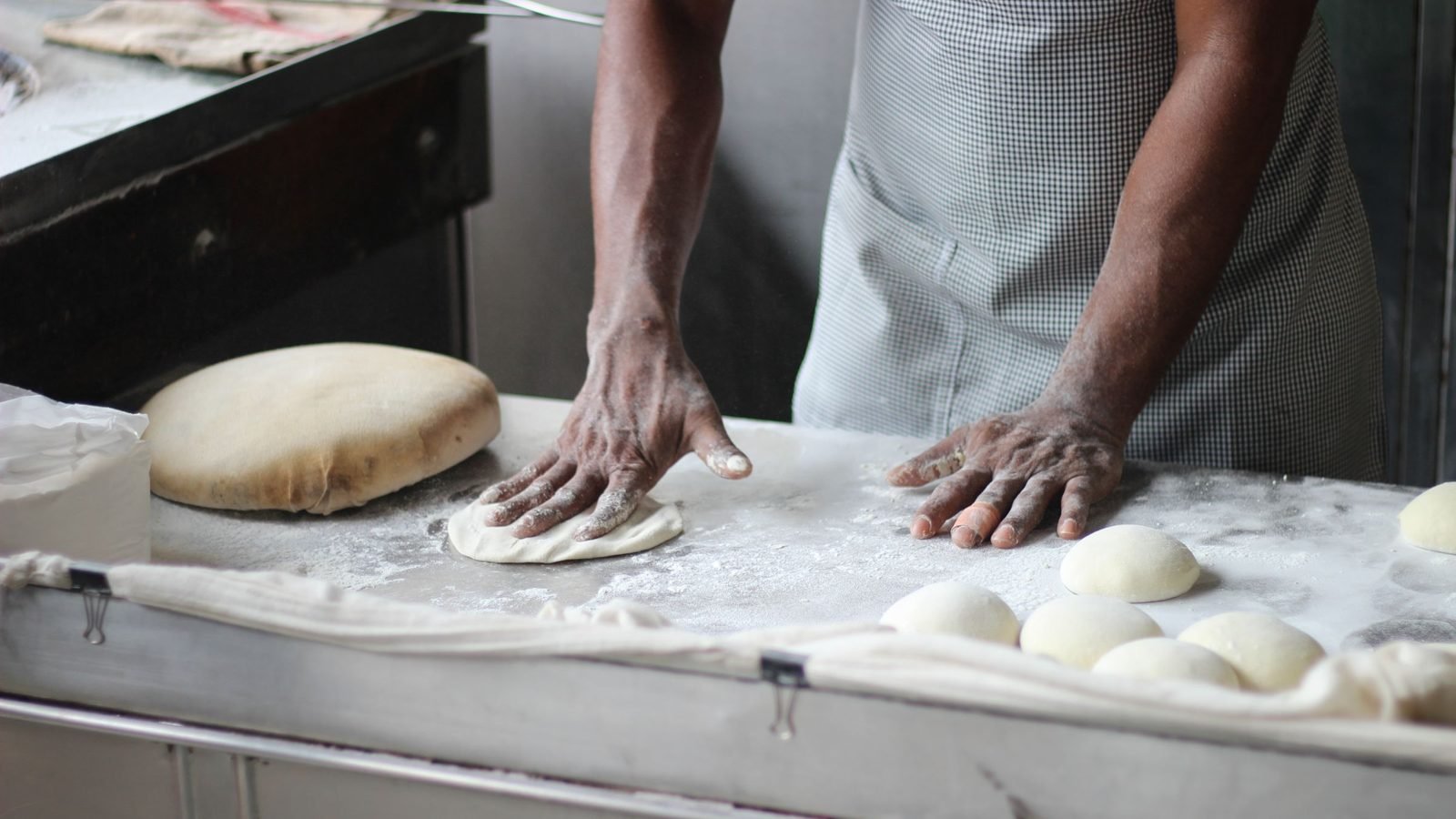
A shot is evidence of what was recorded at a particular place and time. Hand-shaping a batch of rolls lets you describe that activity. It does not prove that every product on offer is handmade from start to finish. Keep the description tied to the named product and specific stage, rather than extending the observation to the whole bakery.
Prepare a simple “shot — caption — supporting information” sheet. For every statement, identify someone who can confirm it and the current material you are relying on. You do not need to show viewers the bakery's documentation. You do, however, need to know where information comes from before it appears in on-screen text or the creator's commentary.
- Shaping rolls: the camera shows work on this batch. The caption describes the activity without drawing conclusions about every baked product sold on the premises.
- Bags and containers in production areas: their presence does not confirm the complete ingredients list of a particular product. The person responsible for the current recipe and customer information checks the ingredients information.
- Taking products out of the oven: the scene shows a moment in the baking process. It does not justify promising that customers will receive a hot product at any time of day.
- The display case: it shows the range available at the time of filming. Before publication, confirm that the featured product is still being sold.
Do not base statements about the absence of an allergen, food safety or a health benefit on the appearance of a workstation, a conversation during filming or footage of ingredients alone. If you need such wording, refer it for separate review to someone familiar with the product and the requirements for food communications. Until then, remove it from the script. This guide concerns organising the content, not assessing whether a particular claim is permissible.
A similar visit format is used in private-label promotion with creators. Here, however, the point is not to introduce a retailer's manufacturer, but to make sure every scene matches its caption. An organised shot sheet is more useful than a general assurance that “everything is natural”.
How do you arrange a visit without disrupting the bakery's work?
The filming schedule should follow the bakery's actual work. First, ask the shift supervisor when the chosen stage takes place and whether it can be observed without getting in the way. Do not book a creator for a convenient time and then recreate the process simply to make it look like normal production. If you film a demonstration outside the normal workflow, describe it as a demonstration.
Appoint a host to meet the creator, explain the bakery's rules and decide when filming needs to stop. The bakery sets the conditions for access, preparation of the visitor and equipment, and the places where they may stand. The creator should not choose their own route through production areas or move equipment to get better lighting.
Prepare an alternative that does not involve entering production areas. If conditions on the day do not allow filming there, you can show the finished product, its cross-section and the display case, and conduct the interview in an agreed location. Do not present such a video as a full account of production. Agree this fallback scope with the creator in advance so that both sides know what result will still fulfil the brief.
Prepare a Blogger Bank brief with a visit plan and a fallback option. Specify the location, available dates, format, host and filming restrictions. Compare creators' applications and questionnaires, and confirm their willingness to follow the bakery's rules before making your choice. Agreements about the content and its use should be reflected in the contract; the platform does not conduct hygiene inspections or automatic fact-checking.
How do you plan shots, permissions and no-filming areas?
Instead of saying “you can film behind the scenes”, prepare a map of filming positions. It does not have to be an architectural plan: a list of locations, camera directions and items that must stay out of shot is enough. Check it on site with a phone in your hand. The background of a wide shot can reveal more than the person framing it notices during a conversation.
- Work bench: film the designated activity and the agreed section of the worktop. Keep documents, recipes and other workstations out of shot.
- Passageway: a route for moving between areas, not automatically another scene. Keep the camera off unless the background and access have been agreed.
- Display case: the chosen product with its correct name. Exclude incidental customers, order screens and information visible at the till.
- Interview: a designated person, a neutral background and an agreed scope for using their comments and likeness.
Agree the terms of employees' participation before the visit, not when the creator switches on the camera. Simply turning up for work should not be treated as settling the question of publishing someone's likeness. If the basis for using a shot is unclear, choose another angle or someone whose participation has been agreed. Do not assume that a close-up of hands always prevents an employee from being recognised: check tattoos, name badges, voices and other details.
In the Opole example, the owner allows filming of part of the work bench, the display case and a conversation at an empty table. Recipes, the storeroom and customers stay out of the content. The creator is free to choose close-ups within those boundaries. She does not need to show the full recipe for viewers to understand how a roll gets its shape. The illustrative photographs in this guide do not document this hypothetical visit.
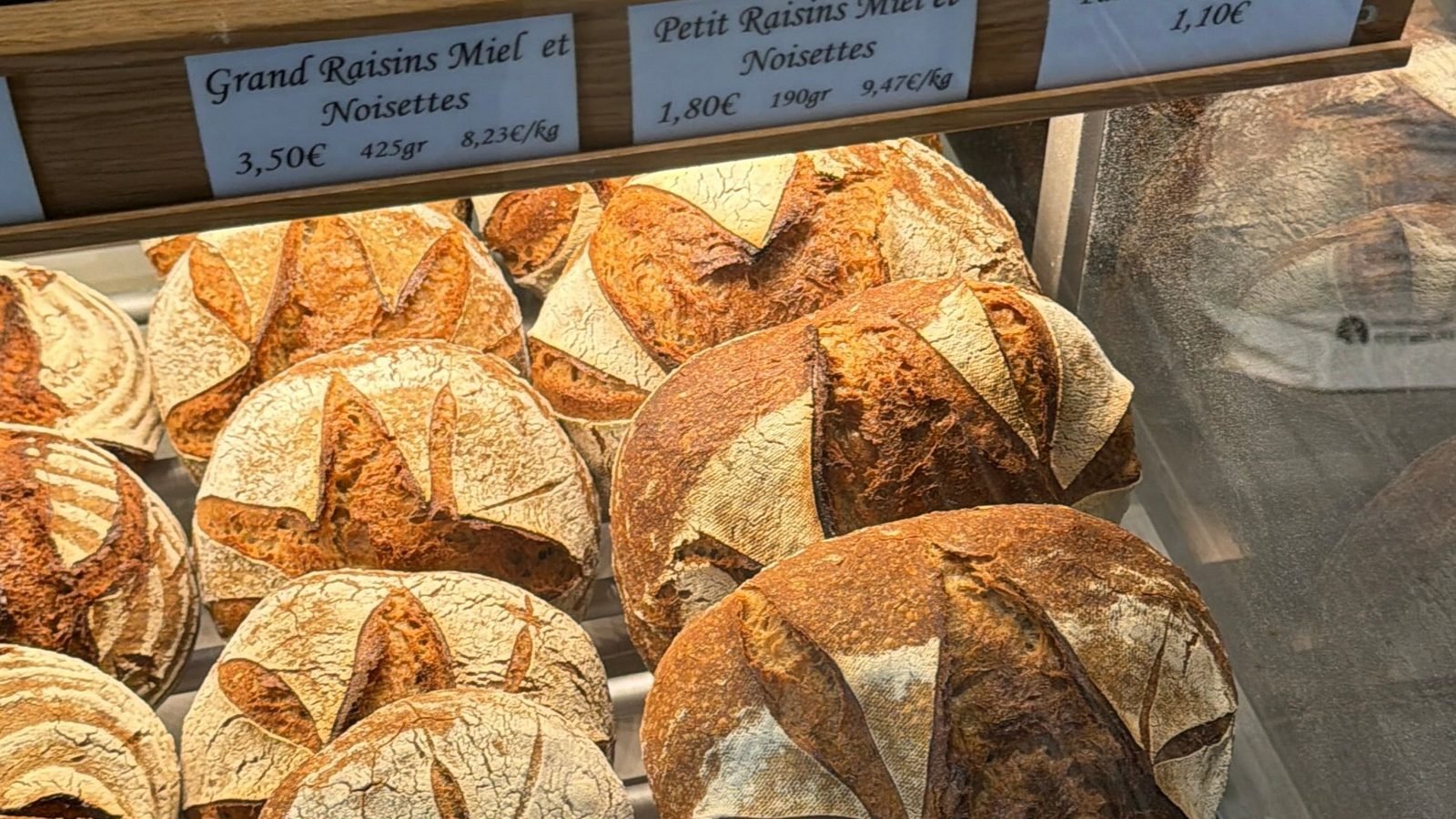
How do you check captions, ingredients and promises before publication?
Request not just the video, but also its on-screen text, thumbnail and post description. An error may appear only in the title: an unassuming shot of shaping dough gets the headline “everything made by hand”. Ask for the complete package in one version and compare every claim with the “shot — caption — supporting information” sheet. Mark the correction at the specific point instead of sending a general “please be more careful”.
Separate three types of statements. An observation describes what the creator saw during the visit. Information from the bakery concerns the product and needs confirmation by the business. An opinion describes the creator's own impression, such as the flavour or crispness of the roll she tasted. An opinion should not masquerade as a universal assessment of nutritional value, nor should information from the owner appear to be the creator's independent research.
In our example, the caption “the rolls shown here are shaped at this bench” can be matched to the relevant shot. The statement “these rolls are available all day” requires checking the actual offer. If sales depend on the available batch, do not promise stock until closing. Tell customers where to check current availability and make sure staff know the product featured in the post.
Ingredients and allergen information should match the current information for this particular product, not a similar one from an earlier range. The creator should not guess the ingredients or shorten the list in a way that changes its meaning. Remove questionable wording or refer it for review before approval. Also agree clear disclosure of the commissioned collaboration so that the video does not pretend to be a chance discovery of the bakery.
How do you agree how the bakery and creator may use the video?
Separate publication on the creator's profile from files supplied to the bakery. Before the visit, record the channels, usage period, permitted edits, addition of captions and any use in advertising. Do not assume unlimited rights simply because the bakery pays for production. Also check whether the agreed scope covers the music, comments and people appearing in the final version.
Every subsequent edit also needs to be assessed for meaning. Cutting the phrase “during today's visit” can turn an observation into an ongoing promise. A shot of a different roll beneath an ingredients caption changes the information, even if the video looks attractive. The bakery should keep the approved version and the agreements, not just a link to a post that may eventually stop working.
Secure payment on Blogger Bank lets you settle the collaboration after accepting the agreed result. Assess it against the scope: the right product, permitted shots, correct captions, agreed files and publication, if commissioned. Do not make acceptance conditional on mandatory enthusiasm, or treat view counts as evidence of increased sales.
Agree who will respond when the product or offer changes: who will check whether the description can be corrected, the video replaced or its use in advertising stopped. Content that is current on the filming day does not automatically stay current throughout its usage period. Start with a chosen product and a shot sheet, then commission a creator visit with a clearly defined result.
Frequently asked questions
Do you need a food influencer?
Not always. A bakery visit requires someone who can show a process and ask clear questions. Review previous work and audience suitability for the publication's purpose. For files for your own channels, prioritise the creator's production skills.
Can filming take place during normal work?
Agree filming during work with the shift supervisor. The bakery sets the timing, access, camera positions and visitor rules. Filming should neither disrupt production nor breach safety rules; also prepare an alternative without access to production areas.
Do you have to show the full recipe?
You do not need to reveal the full recipe to show a particular stage. Before the visit, agree activities to film, permitted information and excluded areas. Also check documents and labels visible in the background of agreed shots.
Does footage of ingredients confirm a product's composition?
Footage of ingredients alone does not confirm a particular product's complete ingredients list. Have whoever maintains current product information check the description. Do not let the creator guess recipes from containers or copy information from a similar roll.
Can a creator say that a baked product is healthy?
Do not add this promise based on a visit or tasting. Health claims require appropriate substantiation and a competent person's assessment of whether the wording is permissible. Until clarified, use verified information and actual observations, without a general health assessment.
What about employees appearing in the video?
Before the visit, agree employees' participation and the terms for using their likeness and comments. If there is no clear basis for publication, choose another shot. Also check voices, name badges and details identifying someone even without a visible face.
Can the bakery use the video afterwards?
Agree usage scope, channels and duration with the creator before production. Discuss edits, captions and advertising separately. Receiving a file should not replace these agreements, and subsequent editing must not change the meaning of product information.
What if the video shows an outdated product?
Check whether you can correct the description, replace the content or limit its use. Assign responsibility for changes and creator contact beforehand. Do not promote old footage as a current offer if the featured product or description no longer matches.