How to change your channel’s topic and prepare an offer for new brands

Short answer
Before changing your channel’s topic, list ongoing collaborations and check the agreed publication scope. Create an independent sample of the new format, separate its results from your previous topic’s history and describe what you can actually deliver. Choose assignments matching your current skills, without promising past reach for a new series. Agree any changes to accepted assignments with your partners.
Changing your channel’s topic while working with brands starts with checking what you have already promised your partners. Only then should you choose a sample of the new format and prepare an offer that describes your current capabilities. Past reach can document your channel’s history, but it does not prove interest in the new topic. You do not have to delete your previous work or pretend you are starting from scratch.
Once you have content that demonstrates your new direction, create a creator profile on Blogger Bank and prepare it for new applications. Show current examples of your work, then choose suitable brand assignments yourself. Your profile, the conversation within a collaboration and the contract help keep agreements organised; they do not replace your own assessment of whether you can complete the task.
Separate changing interests from commitments
You may lose interest in the topic you built your channel around. That is a decision about your future creative work, not an automatic change to an accepted assignment. Before announcing a new direction, check whether anyone is waiting for content in your existing format. Otherwise, you could easily promise viewers the end of reviews while a brand still expects the product review you agreed to deliver.
Define the change precisely. Are you changing only the subject of your videos, or also your audience and how you publish? Moving from keyboard reviews to equipment maintenance may preserve some shared viewer questions. Moving from gaming commentary to repair tutorials requires demonstrating a different skill. Do not assume that similar props mean the same audience.
Decide whether to create a new account based on whether both directions can be presented clearly to one audience. A separate series on your current channel lets you test your approach to storytelling without announcing a complete break. A separate profile makes sense when you want to keep distinctly different topics apart. Neither option removes earlier agreements with partners or guarantees reach.
If you are not yet sure whether you want to change topics or are simply struggling to start recording again, see the guide to returning to creating when you are short of ideas. Here, the starting point is that you have already chosen a new direction and need to make the transition without confusing old commitments with a new offer.
List ongoing collaborations before making the change
Open the agreements for every collaboration you have started and note what remains to be done. A list of brand names is not enough. You need to connect each specific publication with its topic, deadline, approval stage and publication channel. Separately mark content already published for which you agreed how long it would remain on your profile.
- Content in preparation: what the brand commissioned and what it has already approved.
- A scheduled publication: where it will appear and whether changing your channel description would create a conflicting announcement.
- Content available on the channel: what you agreed about keeping it available and using it further.
- An open proposal: whether it has been accepted as an assignment or the conversation still concerns a possible collaboration.
If the new direction conflicts with an assignment, contact your partner before making the change. State the progress of the work, the specific problem and an option to discuss. Instead of “I am making different content from now on”, you could write: “I am changing the topic of future publications. Our content is at the script stage. I suggest keeping the agreed format; please confirm whether the planned change to my channel description affects your expectations.” This is an example message, not an interpretation of a contract.
Do not treat a lack of response as consent to a new topic, deadline or removal of a publication. Your own list helps organise the work, but it does not settle a dispute over contract terms. If the arrangements are unclear, clarify them with your partner before your next move. Prepare your new offer separately so you do not present an unfinished discussion as a confirmed campaign change.
Create a sample of the new format
Show a new brand a finished piece of work, not just a declaration of interest in its industry. The sample should answer a future viewer’s question and demonstrate a skill the assignment needs: a clear demonstration, an understandable explanation, detail shots or editing. Start with a task you can complete independently without using other people’s material.
Educational example: a game reviewer wants to create content about repairing household electronics. The ability to comment on gameplay does not yet prove they can produce a tutorial. They could film a demonstration identifying components of their own unplugged device, within their competence. The sample should demonstrate how they explain things, not encourage viewers to attempt a risky repair or pretend they are a qualified repair technician.
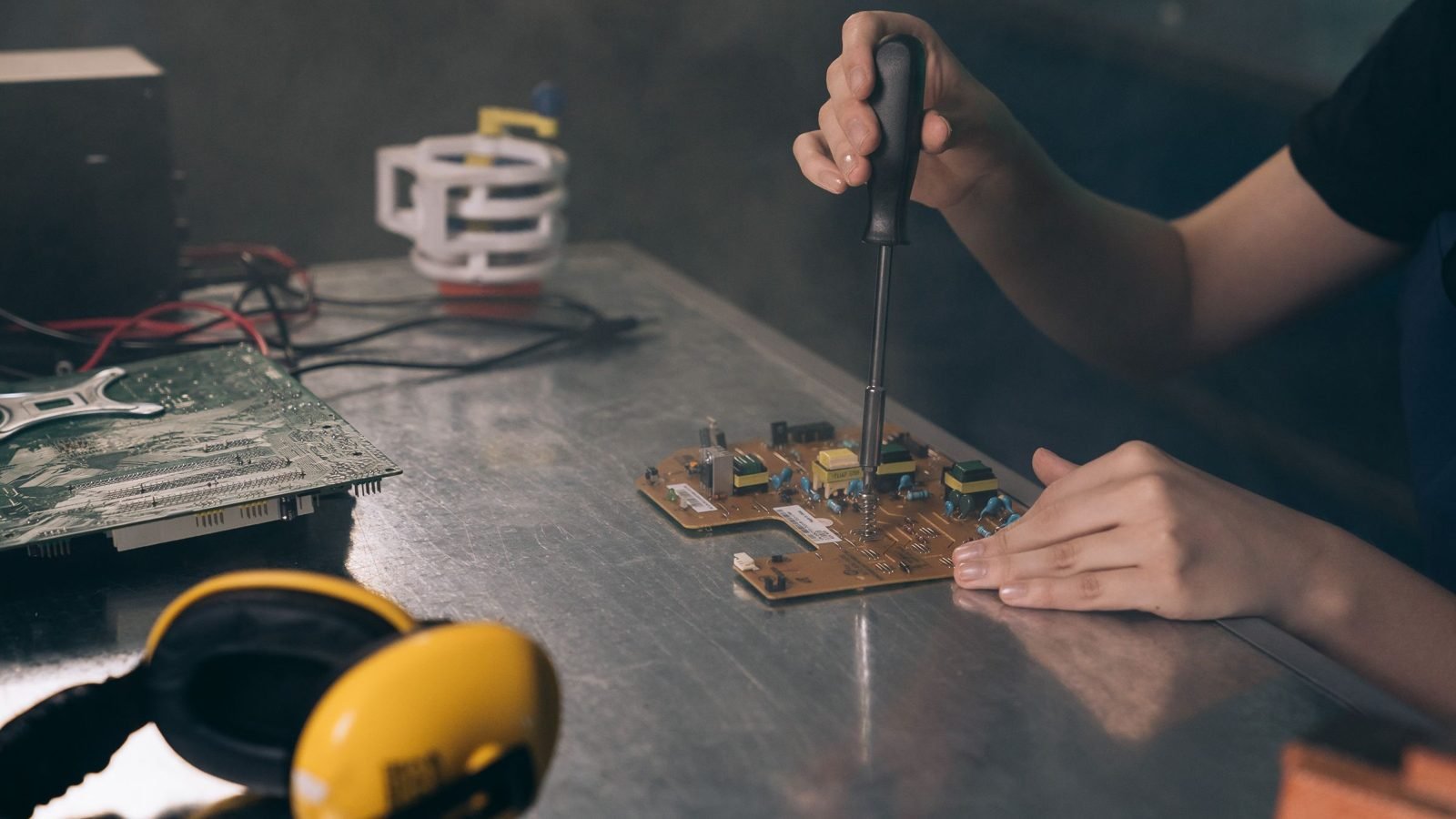
Add this note to the finished video: “Demonstration content produced independently, without a brand commission. My contribution: script, filming and editing.” If you did only part of the work, list that part specifically. A manufacturer’s name visible on a device is not grounds for presenting it as a client. Likewise, a friend’s comment is not a testimonial from a commissioning client.
Watch the sample through the eyes of someone unfamiliar with your old channel. Is it clear what problem you are solving? Is the detail visible, and does the explanation make sense without knowledge from earlier videos? Do you distinguish your own observations from information that needs checking in the device documentation? If the answer is “no”, improve that section before sending an application.
Do not mix results from the old and new channel
Separate the history of your previous publications from observations about the new format, even if both types of content appear on one account. For each dataset, specify the topic, period, content types and source. The performance of an old review may demonstrate experience running a channel. Do not describe it as the expected performance of a repair video.
For new content, keep the links, publication dates and dates when you checked the statistics. If you compare video results, note the different amounts of time they have had to collect views. Also separate promoted content from publications without advertising support. Rather than choosing the most impressive screenshot, show the brand what the dataset covers and what cannot be inferred from it.
If the new series does not yet have useful data, say so directly: “I am showing a work sample; I am not providing a reach forecast for the new topic.” You do not have to fill the gap with statistics from the old channel. You can offer to produce content for the brand’s channels if that is the scope of the assignment. This is a different task from publishing with a promise to reach your own viewers.
To organise the document, use the guide to preparing an influencer media kit. When changing topics, the most important thing is to label the sections clearly: previous work, new samples and current data. Do not move old audience descriptions under the heading of your new offer just because the document layout looks good.
Offer the brand work you can already deliver
Your offer after changing topics should answer what you can deliver now. Instead of “I have a large community and am moving into electronics”, describe the deliverable: a video showing a particular feature of an item, with narration and detail shots. Explain whether you offer just the file or publication on your channel as well. Do not add distribution that the brand has not requested.
In the educational example of a gaming channel, the transition can be set out in a simple list. This is not a Blogger Bank client story or evidence that such a change will work:
- The earlier commitment comes first: the creator finishes the agreed review of a gaming accessory rather than replacing it with a repair guide.
- The new topic: explaining the construction and operation of household electronics within their competence.
- The sample: an independently produced video clearly showing components and describing their own role, without suggesting a commission from the manufacturer.
- The information for the brand: the creator can produce this kind of presentation, but has no basis yet for promising an audience for the new series.
A message to a new brand could read: “Until now, I have created game reviews. I am now developing content about household electronics; here is an independent sample showing narration and detail shots. For your assignment, I can prepare a similar demonstration of the specified function. Before confirming, I need information about the product, publication channel and approval process.” Adapt the message to the actual task instead of sending it to everyone.
State your limitations in the conversation too. If you cannot demonstrate a repair accurately, do not accept a tutorial assignment on the assumption that you will “learn somehow”. You can suggest a narrower demonstration of how to use the product, provided the brand needs and approves it. Your scope grows with documented skills, not with a new label in your profile description.
Choose new assignments and assess the fit
When browsing assignments on Blogger Bank, compare the requirements with your current sample: product, audience, format, publication channel and deadline. The mere presence of the word “electronics” does not mean a match. A brand may be looking for a creator with an audience interested in that product, or someone to produce a video for its own channels. Address that specific distinction in your application.

Complete your creator profile and prepare an application for a suitable assignment: describe your new direction, choose the right sample and specify what you did yourself. Answer the application questionnaire based on your current capabilities, not your old channel description. If the task’s topic is unclear, ask before confirming the scope.
Blogger Bank lets you manage the conversation and contract within a collaboration. For paid assignments, the brand’s funds are reserved before work begins and released after the result is approved. This helps organise agreements and payment. It does not mean your skills are automatically assessed, facts in the video are checked or the brand is guaranteed to select your application. The fit and the integrity of your sample remain your responsibility.
After completing the work, keep the new example and the data that actually relates to that publication separate from earlier work. Update your offer only on that basis. For now, start with a list of unfinished collaborations and your choice of sample: the new channel description should name a change you can already demonstrate.
Frequently asked questions
Do you need a new account when changing your channel’s topic?
Not always. It depends on your audience and the change: separate a new series clearly within your current profile or start another channel. Either way, check existing brand commitments and do not assume your audience will automatically follow.
What should you do with an ongoing campaign while changing topics?
Check the agreed topic, format, deadlines and approval stage. If your new direction conflicts with the task, explain progress and propose a change to your partner. Do not unilaterally replace commissioned content or treat silence as consent.
Can you use old results in a new offer for brands?
Old results can document your channel’s history, but do not prove interest in a new format. Label their date, topic and source. Present new publication results separately; without data, show a work sample instead of a reach forecast.
How can you demonstrate a new skill without clients?
Create your own sample answering a specific viewer question. Label it demonstration content and describe your contribution, such as filming and editing. Do not present an independent video as commissioned commercial work or the product’s manufacturer as your client.
Should you delete old publications after changing niche?
Do not automatically delete old publications. Check their usefulness to viewers and agreements about how long advertising content must remain available. A clearly separated archive may suffice; discuss changes conflicting with an accepted collaboration with your partner first.
When should you approach new brands?
Apply when you can show a relevant sample and deliver the specific assignment’s scope. Check the format, audience, deadline and publication channel. Do not promise undocumented results or an audience for your new series based on your previous topic’s performance.
What should you change in your portfolio when changing your channel’s topic?
Separate previous work from new samples and clearly describe your role in each piece. Update the description of your available formats and creative direction. Keep past audience data attached to its actual period rather than assigning it to the new topic.
Does a new niche guarantee brand collaborations?
No. Suitability for the assignment, content quality and the brand’s needs remain separate selection criteria. A new topic may change which assignments suit you, but a profile description cannot replace a sample or evidence you can complete the specific work.