Brand podcast: how to create one with influencers?
Short answer
Start a brand podcast with an influencer by defining the listener’s problem and the creator’s role, not the equipment. Set the series promise, brief a pilot and test hosting skills. Assign recording, editing and publishing responsibilities. Agree on usage rights, advertising disclosures and acceptance criteria before release, then assess the pilot before planning further episodes.
How do you create a brand podcast with influencers that listeners return to, rather than simply recognise as advertising? Start with a problem the creator can break down into practical decisions. The brand contributes the subject and product knowledge; the creator leads the conversation in the audience’s language. Choose the show’s name and microphone afterwards. An original series needs a reason to listen even when an episode mentions no specific product from the catalogue.
Once you have written that promise, you can create a brand account on Blogger Bank and prepare a brief for a creator-host. Describe the audience, the pilot topic and the conversation sample you expect. The platform helps organise collaboration and collect applications; it does not replace editorial decisions or audio production.
Your own show, not a slot in someone else’s programme
With a brand podcast, you plan the subject, publication and subsequent use of a series as a whole. An influencer can be its regular host, a script co-author or a recurring contributor. This is different from commissioning a mention in an established show. If you want to reach an existing programme’s listeners, start with our guide to podcast advertising formats and choosing a show.
An original series makes sense when you have questions worth discussing, access to people who can answer them and a team responsible for future episodes. Do not assume the creator’s audience will automatically move to a new channel. Hosting a podcast and promoting it on the creator’s profile are separate tasks. Describe both if you need both.
A single promise that can sustain a series
Consider a teaching example, not a real campaign: a Polish outdoor equipment shop invites a hiking creator to work together. They want a series for people planning their first overnight trip on the trail. The promise is not “we will discuss our range” but “we will help you prepare for your first night in a tent without buying things just in case”. This direction gives the host permission to ask what a beginner does not need, too.
The pilot covers preparation for that first night. Later topics grow out of the same situation: packing borrowed equipment, interpreting a forecast and dealing with wet gear after returning home. These are editorial ideas, not ready-made outdoor instructions. Before recording, the team checks information about conditions, camping rules and safety against appropriate sources. Questions beyond the host’s expertise go to a suitable specialist.

Choose a host, not just a recognisable face
A creator-host must know how to listen. A portfolio of mountain photographs demonstrates a subject area, not the ability to guide a conversation with a beginner. Ask for an existing audio sample or agree on a trial recording under the terms stated in the brief. Give the candidate a situation: a guest wants to bring everything they saw in the shop on their first overnight trip. Check whether the host asks about conditions and experience instead of immediately recommending products.
- Language: does the creator explain terms without making a beginner feel foolish?
- Hosting: can they interrupt a digression and return to the listener’s question?
- Accuracy: do they distinguish personal practice from information that needs checking?
- Collaboration: can they accept a factual correction while keeping their natural voice?
Do not choose on reach alone. Check subject fit and availability for preparation. Agree on a replacement or a way to end the series if the host withdraws.
The brief and agreement come before the pilot
Prepare a pilot outline: who the conversation is for, what problem it solves, what it does not promise, who participates and which materials must be delivered. In our example, the result is a conversation about preparing for a first overnight trip, plus episode notes listing what to check before leaving. Do not request “full podcast production” if you only need a writer and host. Different people understand very different tasks under that label.
Use that outline to prepare a brief on Blogger Bank. Compare applications and creator profiles, then ask about audio samples and the scope of their work. Connect collaboration management, agreements and secure payment to a clearly defined deliverable for acceptance. Using the platform does not guarantee applications from podcasters or provide a studio, recording engineer or editing; arrange those tasks and providers separately.
Before recording, agree on the use of the creator’s voice, likeness and recording. Specify publication channels, the period of use, permission to create excerpts and their use in advertising. Set out access to source files, episode notes and the hosting account, and what happens to episodes after the collaboration ends. Permission to publish a conversation should not stand in for agreement on every subsequent use.
A conversation outline, not a brochure read aloud
Start the first-night pilot with the listener’s situation: they have a borrowed tent, do not yet know their equipment and are unsure where preparation begins. The creator can describe a personal mistake, then ask the guest how to avoid a similar problem. The story opens the subject; it does not prove that the same solution will work for everyone.
- Introduce the show’s commercial nature, the brand and the episode’s problem.
- Establish the context: the listener’s experience, planned overnight arrangements and missing information.
- Work through preparation decisions, asking about reasons, limitations and alternatives.
- Finish with things to check and an invitation to submit a question for a future conversation.
A product belongs where it helps explain a decision. Rather than list models, the host asks how to read equipment descriptions and what to check in the gear someone already owns. If an expert discusses a particular shop product, they should explain its intended use rather than promise comfort in all conditions. Leave room for “it depends”, followed by an explanation of what it depends on.
Disclose the collaboration in audio and excerpts
The UOKiK President’s recommendations on disclosing advertising content, published in 2022, also address podcasts. Poland’s consumer protection authority recommends information about the advertising nature at the start of the recording or immediately before a sponsored segment, and in the podcast description. The document also recommends disclosure at two levels: using the platform’s tools and your own disclosure. This supports an editorial checklist; it is not individual legal advice for every possible collaboration.
For the series described here, prepare a clear introduction, such as: “This is an advertising programme for [shop name]. It is hosted by [name], working with the shop.” Adapt the wording to the actual roles. A shop name in the title does not replace clear information about the content’s commercial nature. Do not automatically label work with an external creator as self-promotion simply because the series belongs to the brand.
Check the full episode, its description and content for the creator’s profile separately. An excerpt from the middle of a conversation may omit the opening disclosure, so it needs its own clear commercial label. Listeners or viewers should understand whose promotion they are consuming without searching for another publication. For an unusual collaboration model, seek advice on its classification and disclosure before release.
Approve the pilot before producing the rest
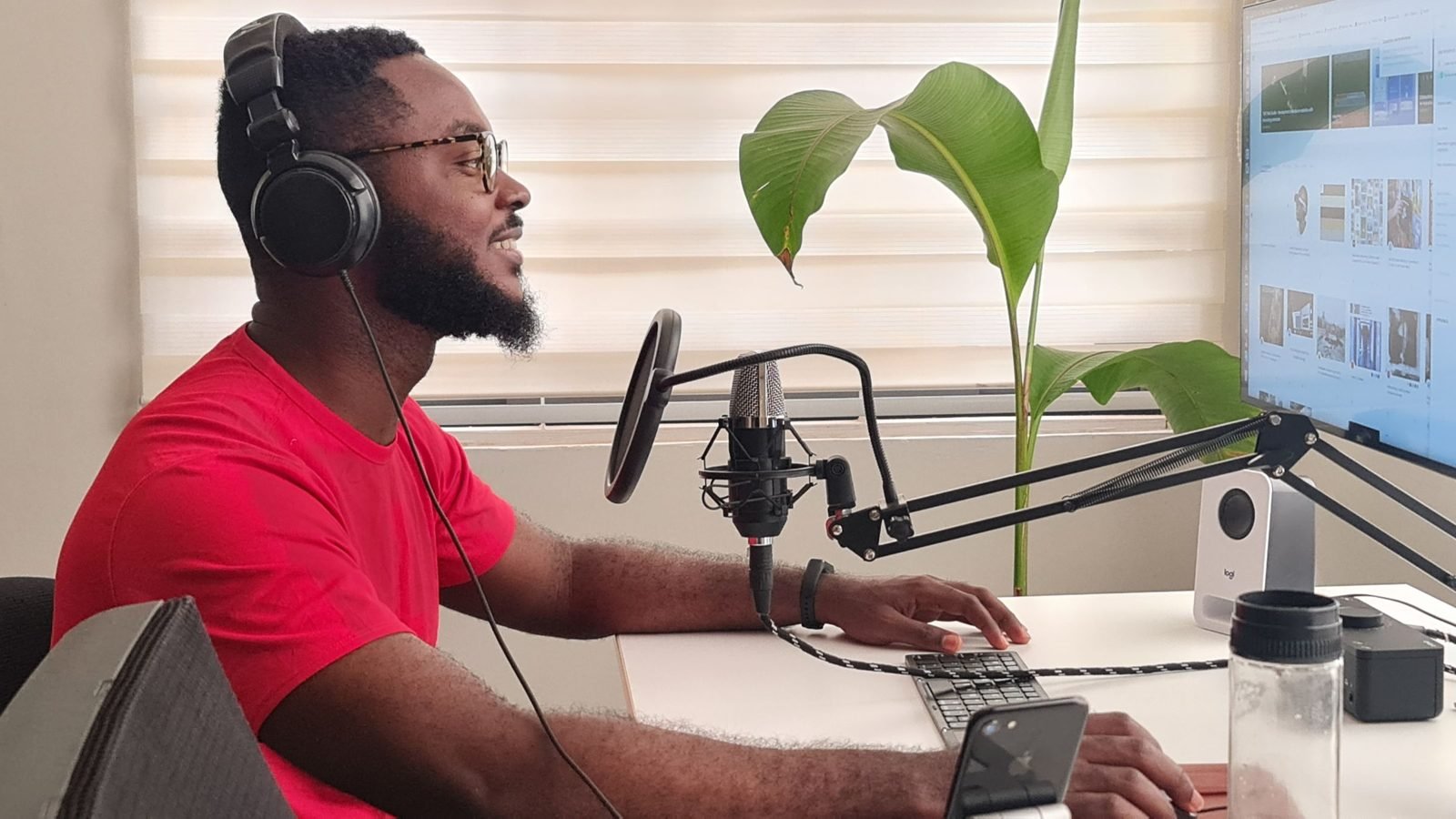
Assign responsibility for each stage. The creator prepares questions and hosts the conversation, the brand checks information about its products, and a named person verifies other claims. The recording engineer handles recording, the editor handles the agreed post-production, and the publisher handles notes and release. One person can perform several roles, but none should fall to the influencer by default.
Listen to the pilot without looking at the outline. Is the intended audience clear? Does the explanation make sense without showing a product? Are voices intelligible, and do cuts preserve the meaning of answers? Check names, terms, links and advertising disclosures. Agree on corrections before acceptance; a trial conversation should reveal problems before they become established across a season.
If you are also considering a visually led series, separate approval of the recording from the choice of episode format. Our guide to piloting a video series with influencers explains how to compare a demonstration with a conversation, record differences in audiences and make a decision before commissioning a season.
Publish and decide what is worth continuing
Decide who manages hosting and brand channels, who approves episode notes and who answers listeners’ questions. Specify promotion on the creator’s profile as a separate deliverable: format, invitation topic, link and disclosure. Choose an excerpt that solves a particular problem, not just a sentence praising the shop. Our guide to content marketing with creators discusses connecting a conversation with other content.
Before release, write down what would make the topic worth continuing. Review available listening data within the same platform, audience questions and visits from labelled links. Do not equate a play with listening through, or a click with a purchase. No visits do not prove there was no influence, and a sales increase on release day does not prove the podcast alone caused it.
After the pilot, decide what to keep, simplify and stop repeating. In our example, questions about checking borrowed equipment may suggest the next conversation; uncertainty about the audience means returning to the series promise. Start by writing that promise and prepare a brief for the host before commissioning a whole season.
Frequently asked questions
How does a brand podcast differ from advertising in another show?
A brand podcast is an original series with a planned subject, roles and ongoing publication. Advertising in another show is a commissioned element of an existing programme. Your own podcast requires responsibility for preparation, production and channel development.
Does the influencer need to have their own podcast?
An existing show can demonstrate experience, but it is not the only evidence of ability. Request an audio sample or agree on a trial recording. Assess listening skills, clear questions, explanations of terminology and responses to factual corrections.
What should a brand podcast pilot brief include?
A pilot brief should identify the audience, episode problem, series promise, participant roles and deliverables. Include boundaries for claims, advertising disclosure rules and acceptance criteria. Describe recording, editing, publication and promotion on the creator’s profile separately.
How can a shop avoid turning its podcast into a product catalogue?
Build the episode around a listener’s decision rather than a list of models. Mention products when they explain a specific choice. Let the host ask about limitations, alternatives and situations where buying new equipment is unnecessary.
How should an advertising podcast be disclosed under UOKiK recommendations?
UOKiK’s 2022 recommendations call for disclosure at the start of the recording or before the sponsored segment, and in the podcast description. Clearly identify the advertised brand. Check excerpts separately and use appropriate platform disclosure tools where available.
Which rights should be agreed with the creator-host?
Agree on the use of the recording, voice and likeness, specifying channels, duration and permission for excerpts and advertising. Establish access to source files and publishing accounts. Record what happens to episodes when the collaboration ends.
How does Blogger Bank help organise a podcast collaboration?
Blogger Bank helps organise briefs, creator applications, agreements and secure payment. The brand should independently check candidates’ experience and the scope offered. The platform does not guarantee available podcasters or automatically provide a studio or editing services.
What should be checked before commissioning more episodes?
Assess whether the pilot solves its stated problem, makes sense without visuals and carries appropriate disclosures. Check audio quality, factual accuracy and collaboration during revisions. After publication, consider audience questions and the listening data available on the platform.